
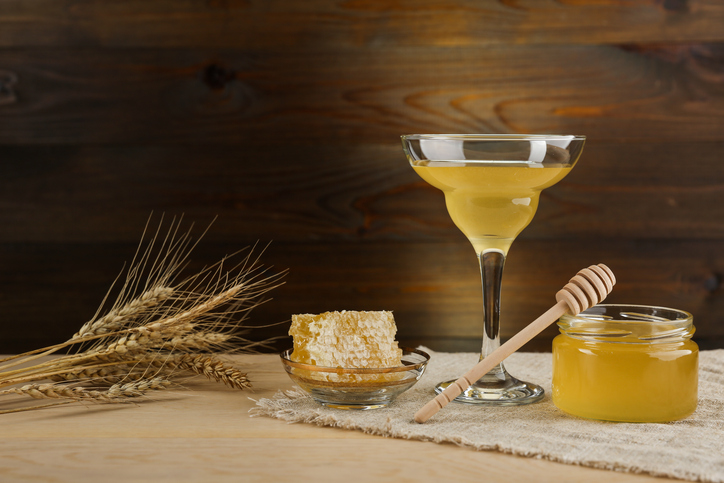
For centuries, mead has graced the tables of kings, warriors, and everyday folk. It was the drink of choice for weddings, celebrations, and quiet evenings by the fire. Though it eventually fell out of favor as less expensive ways of producing alcohol—like grain-based ales—took root, this ancient beverage has experienced a massive resurgence in popularity.
Often referred to as “honey wine,” mead is reclaiming its spot on bar shelves and dining tables. But the revival isn’t just about nostalgia or historical curiosity. Modern drinkers are discovering that mead offers a unique taste profile capable of more variety than beer or wine. Perhaps more importantly for the modern diet, it is a naturally gluten-free alcoholic option that doesn’t compromise on flavor.
The Ancient Honey Wine
Mead is widely believed to be one of the oldest alcoholic beverages known to humanity. It predates agriculture, likely discovered by accident when rainwater flooded a beehive, mixing with honey and naturally occurring yeast to ferment. Because it didn’t require cultivated crops, it was accessible to early civilizations across the globe.
From the Vikings of Scandinavia who believed it imparted wisdom and poetry, to the tribes of Africa who have brewed Tej for millennia, almost every ancient culture that had access to honey produced some kind of mead. It is a drink that connects us to our shared human history.
At its core, the definition of mead is simple: it is the product of fermenting honey and water with yeast. The moniker “honey wine” is often used to help the uninitiated understand the alcohol content and serving style, which aligns more closely with wine than beer. However, the result is a category of beverage entirely its own.
Depending on the ratio of honey to water and the strain of yeast used, mead can range from bone-dry to cloyingly sweet. It can be still like a Chardonnay or sparkling like a Prosecco. It is a blank canvas, ready to take on the characteristics of the floral source of the honey or any fruits and spices added during the process.
How Mead is Naturally Gluten Free
Dietary needs have shifted dramatically in recent decades. Many consumers are actively seeking gluten-free options, whether due to a diagnosis of celiac disease, non-celiac gluten sensitivity, or simply a personal preference to reduce inflammation.
Navigating the alcohol aisle can be tricky for the gluten-averse. Gluten, a protein family found in grains like wheat, barley, and rye, is the backbone of the beer industry. While gluten-removed beers exist, they are often processed in ways that leave trace amounts behind, or they lack the body and flavor profile of their traditional counterparts.
This is where mead shines. Traditional mead is made from the fermentation of honey. Because honey is a sugar source derived from flowers, it contains absolutely no grains, wheat, or gluten. This makes traditional mead a safe, delicious, and naturally gluten-free choice.
At The Bull and Bee Meadery, we take this safety seriously. All of our meads are naturally gluten-free. We understand that dietary restrictions shouldn’t mean missing out on complex, interesting flavors. Even our specialty “Red Velvet Cake,” which mimics the flavors of baked goods. This attention to detail ensures that our meads can be enjoyed by everyone, regardless of their dietary requirements.
Why Choose Mead Over Other Options?
If you walk into a liquor store today, you will likely find a section dedicated to gluten-free ciders and seltzers. While these are perfectly fine options, they often lack the depth and complexity that wine and craft beer drinkers crave. Hard seltzers can feel thin and artificial, while ciders, though delicious, are generally limited to an apple or pear profile.
Mead offers a diversity that rivals the entire wine and beer spectrum combined. Because honey itself varies wildly depending on what flowers the bees visited—ranging from light, floral clover to dark, molasses-like buckwheat—the base flavor of mead is incredibly complex.
Furthermore, mead acts as an exceptional preservative and carrier for other flavors. This leads to distinct sub-categories of mead:
- Melomel: Mead fermented with fruit (like berries or stone fruit).
- Metheglin: Mead fermented with spices or herbs (like cinnamon, ginger, or lavender).
- Cyser: A blend of honey and apple juice fermented together.
- Pyment: A blend of honey and grapes.
No matter your palate—whether you prefer a dry, crisp drink similar to a Sauvignon Blanc or a rich, dark pour akin to a stout—there is a mead out there for you.
We often emphasize to our patrons in the Tasting Room that mead is not a single beverage but a whole category of alcohol. It is as broad as “wine” or “beer.” Writing off mead because you tried one and didn’t like it is like saying you don’t like dinner because you once ate a bad sandwich.
The Bull and Bee Meadery Philosophy
At The Bull and Bee Meadery, our passion lies in balancing two distinct goals: crafting authentic, traditional meads that honor the past, and blazing a new path in Meadovation.
We believe that the liquid in the glass should tell a story. The most important thing for us is to match the expectation and emotion that a label evokes with the flavor inside. If a label promises a comforting dessert experience, the mead should deliver that richness. If it promises a refreshing summer sip, it should be crisp and clean.
To achieve this, we prioritize sourcing. We use whole ingredients, sourced as locally as possible. This means real blackberries, whole vanilla beans, and fresh spices—never artificial syrups or flavorings. Real ingredients yield a depth of flavor that chemicals simply cannot replicate.
However, respect for tradition doesn’t mean we are stuck in the past. We are not afraid to venture into unexplored territory. Our experimental meads, such as our S’mores variety, push the boundaries of what people think honey wine can be. By combining ancient fermentation techniques with modern culinary concepts, we aim to show the world that mead is a beverage for the modern table.
A Sustainable Sip
Beyond the flavor and the health benefits, mead presents a compelling case for sustainability. The production of honey relies on healthy bee populations. By supporting the mead industry, consumers are indirectly supporting apiaries and the beekeepers who work tirelessly to maintain the bee populations that are critical to our global food supply.
Unlike beer, which requires vast monocultures of grain and massive amounts of water to process, or wine, which requires specific terroir and land use, honey is a byproduct of pollination that helps other plants thrive. It is arguably one of the most environmentally friendly alcohol sources available.
Mead, with its rich history, diverse flavor profiles, and gluten-free nature, offers a delightful alternative to traditional alcoholic beverages. It is a drink that satisfies the connoisseur, comforts the casual drinker, and welcomes those with dietary restrictions.
If you are curious to learn more about how this ancient drink fits into a modern lifestyle, or if you simply want to taste the difference for yourself, we invite you to explore our selection online or visit us at our Tasting Room.